Source Pearl Scallop Cast Iron Teapot With Infuser for Tea
Explore 22 pearl scallop cast iron teapot with infuser listings from China. Compare sand-cast designs, enameled interiors, and induction-compatible models for domestic and outdoor use. Evaluate capacity, size, and customization options to find the best fit for your needs; compare the available evidence and request quotations based on your requirements.
Key considerations
Products List


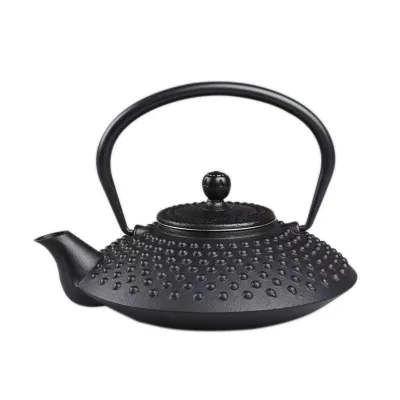

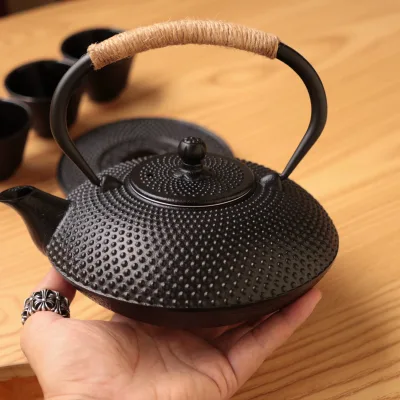
Comprehensive Sourcing Guide
Pearl Scallop Cast Iron Teapot with Infuser Sourcing Guide
The market for pearl scallop cast iron teapots with infusers presents a distinct niche where traditional Japanese tetsubin aesthetics meet modern brewing functionality. Buyers should note that observed listings frequently describe these items as cast iron kettles or teapots with specific design styles like classic or normal, often featuring enameled interiors to prevent rust and ensure safety. The presence of an infuser suggests a dual-purpose utility for both loose-leaf tea and water heating, aligning with the observed usage categories of domestic and outdoor cooking.
When evaluating product listings, procurement teams must distinguish between pure cast iron kettles and those explicitly marketed as teapots with infusers. The supplied data indicates a range of capacities from under 1.2 liters to 1.2 liters, with specific models like the SQPOT1 and DYH0.65L appearing in the dataset. Buyers should verify if the "pearl scallop" description refers to a specific exterior pattern or a generic marketing term, as the observed listings mention painted beautiful patterns and hand-crafted details rather than a standardized pearl finish.
Product Scope and Observed Listing Signals
Buyers must carefully analyze the product attributes to confirm the presence of an infuser, as the provided facts list accessories like pot holders but do not explicitly confirm an integrated infuser in every model. The observed product names include variations such as "Cast Iron Teapot" and "Japanese Tea Kettle," which often imply a specific brewing function. However, the absence of a direct "infuser" tag in the high-confidence facts requires buyers to request visual confirmation or detailed specifications to ensure the product meets the specific brewing needs of their target market.
The observed price range of 4.5 to 13 USD suggests a competitive market with varying quality tiers, likely influenced by the casting technique and customization options. Listings indicate that sand casting is a common method, and customization is available for logos and packaging, which can significantly impact the final unit cost. Procurement teams should be aware that the minimum order quantity (MOQ) varies widely from 1 to 500 pieces, meaning smaller buyers may face higher per-unit costs or limited customization options compared to bulk purchasers.
Technical Specifications to Verify
Verification of the heating method and stove compatibility is critical, as the data specifies chassis heating and general use for gas and induction cookers. Buyers should confirm that the specific model they select supports induction heating, as not all cast iron products are universally compatible with modern induction stoves without a specific base design. The observed sizes range from approximately 16.5 cm to 21 cm in dimensions, with capacities varying between less than 1 liter and 1.2 liters, requiring precise selection based on the intended serving size and storage constraints.
Interior and exterior finishes are key differentiators that affect both durability and aesthetic appeal. The supplied facts highlight enameled black interiors and painted exteriors with beautiful patterns, which are essential for preventing rust and enhancing the visual presentation of the teapot. Buyers must verify the thickness of the enamel coating and the quality of the paint to ensure the product withstands repeated heating cycles without chipping or degrading, especially since the observed products are marketed for both domestic and outdoor occasions.
Compliance and Safety Documentation
Safety compliance is paramount for cookware entering international markets, and the observed listings reference certifications such as FDA, LFGB, EEC, CIQ, and CE/EU. These certifications indicate that the products meet specific standards for food contact safety, which is essential for teapots used in domestic cooking and outdoor settings. Buyers should request valid test reports for these specific certifications to ensure that the enamel and cast iron materials do not leach harmful substances into the tea or water during the heating process.
In addition to material safety, buyers must verify the product's adherence to international quality standards, as the data mentions "International Quality Good-Grade Standards." This general statement requires clarification through specific test results or quality assurance documentation provided by the supplier. Ensuring that the product meets the regulatory requirements of the destination country is a non-negotiable step, particularly for markets with strict regulations on cookware materials and manufacturing processes.
Cost Drivers and Commercial Terms
The cost structure for these teapots is heavily influenced by the level of customization and the chosen packaging options. The observed data indicates that brown boxes or customized color boxes are available, and custom logos are acceptable, both of which add to the production cost. Buyers should negotiate based on the volume of customization required, as high-volume orders may allow for more favorable pricing on custom packaging and branding elements compared to smaller trial orders.
Minimum order quantities and trial order policies play a significant role in the commercial terms and initial investment required. While some listings accept trial orders, others specify an MOQ of 500 pieces, creating a barrier for new buyers or those testing the market. Procurement teams should clarify the lead times associated with different order sizes and whether the supplier offers flexible terms for mixed models to optimize inventory management and reduce the financial risk of overstocking.
Supplier Qualification and Quality Control
Supplier qualification should focus on verifying the manufacturing location and the specific casting techniques employed. The data points to Hebei, China, as a primary origin, a region known for its metalworking capabilities, but buyers must confirm the specific factory's experience with enameled cast iron products. Understanding the supplier's production capacity and their ability to maintain consistent quality across batches is essential, especially given the manual nature of hand-crafted items and the precision required for sand casting.
Quality control protocols must be established to ensure that the final product matches the observed specifications regarding size, capacity, and finish. Buyers should implement a pre-shipment inspection process that checks for defects in the enamel coating, the integrity of the pot cover, and the accuracy of the dimensions. Given the variability in hand-crafted items, setting clear acceptance criteria for cosmetic imperfections and functional performance will help mitigate the risk of receiving substandard goods.
Long-Term Procurement Checks
Establishing a long-term relationship with suppliers requires regular audits of their quality control systems and adherence to safety standards. Buyers should schedule periodic reviews to ensure that the supplier continues to meet the required certifications and that the product specifications remain consistent over time. This proactive approach helps in maintaining brand reputation and ensures that the teapots continue to perform reliably in both domestic and outdoor cooking environments.
Monitoring market trends and customer feedback is also crucial for long-term procurement success. As the market for cast iron teapots evolves, buyers should stay informed about new design styles, such as the classic or normal styles observed, and adjust their product selection accordingly. Regular communication with the supplier regarding potential design updates or material improvements can help keep the product line competitive and aligned with consumer preferences in the global tea and coffee market.
FAQs
Can I order a customized pearl scallop cast iron teapot with infuser?
Yes, customized options are available for this product line. You can request a custom logo and specific design styles like classic or normal. Trial orders are acceptable for testing quality before committing to larger volumes.
What certifications do these cast iron kettles hold?
The products hold FDA certification and meet international quality good-grade standards. Some models also carry LFGB, EEC, CIQ, and CE EU certifications. These ensure the items are safe for domestic and outdoor cooking applications.
Which stove types are compatible with these teapots?
These cast iron kettles are designed for general use on both gas and induction cookers. The chassis heating method ensures efficient heat distribution. They are suitable for various cooking environments including outdoor settings.
What is the minimum order quantity for bulk purchases?
The minimum order quantity varies by supplier but ranges from one to five hundred pieces. Some specific models require a minimum of five hundred pieces. Customized orders may have different thresholds depending on the manufacturer.
How is the interior of the teapot finished?
The interior is typically enameled black or painted with beautiful patterns on the exterior. This enamel coating protects the cast iron and enhances durability. The design style remains classic while ensuring safe food contact.
What capacity options are available for these kettles?
Available capacities include sizes under 1.2 liters and specific models like 0.65 liters or 1.2 liters. Some units are listed as less than one liter. The exact volume depends on the specific model selected.
Can I get a custom logo printed on the product?
Yes, custom logo acceptance is available for these cast iron teapots. You can request personalized branding on the product surface. This customization is often paired with options for custom color boxes or brown packaging.